
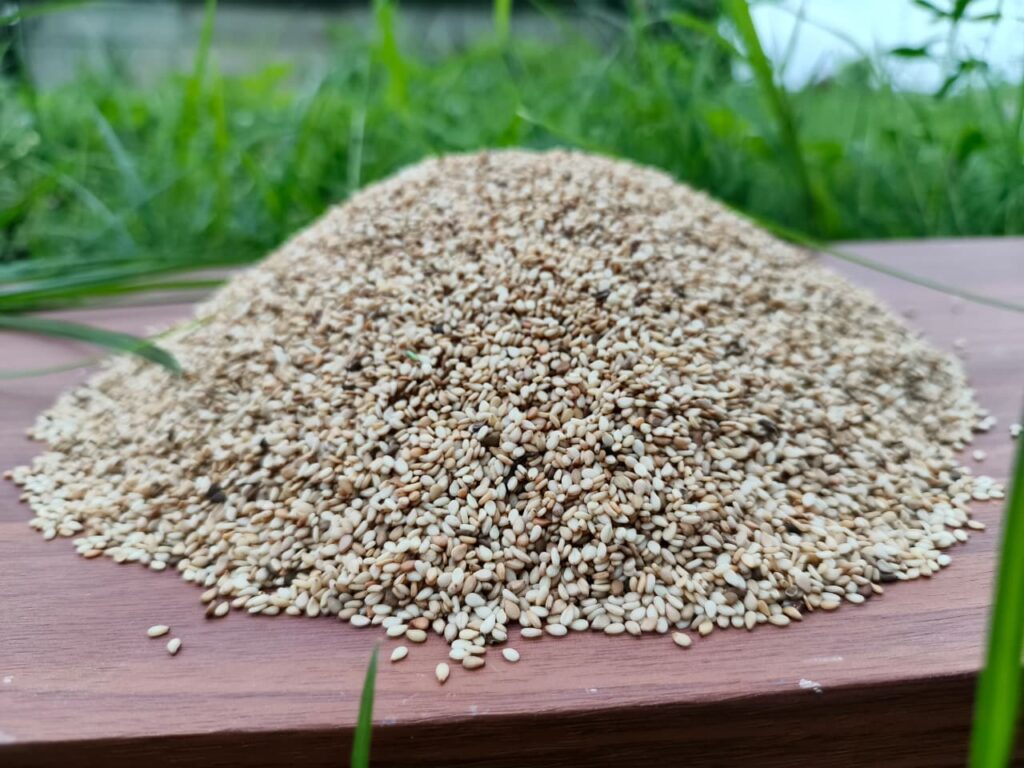
- What Makes Sesame Seeds Valuable in Food Industries
- Common Sesame Seed Varieties in International Markets
- Nutritional Advantages of Sesame Seeds
- Benefits of Sesame Seeds in Modern Food Production
- Industrial Applications of Sesame Seeds
- Export Processing and Quality Management
- International Market Demand for Sesame Seeds
- Sesame Seeds in International Agricultural Trade
- Working with Professional Sesame Seed Exporters
- Future Opportunities in the Sesame Seed Industry
- Conclusion
The international food industry continues to increase its demand for sesame seeds because of their versatility, nutritional benefits, and broad industrial applications. Food manufacturers across different regions use sesame seeds in bakery production, edible oils, confectionery, tahini processing, and modern healthy food products.
As consumers continue choosing natural ingredients and wellness-focused foods, sesame seeds have become one of the most reliable agricultural commodities in global trade. Their commercial value and adaptability make them highly important for manufacturers, wholesalers, and exporters serving international markets.
Today, sesame seeds remain an essential ingredient in both traditional and modern food processing industries worldwide.
What Makes Sesame Seeds Valuable in Food Industries
Sesame seeds are harvested from the sesame plant and are widely recognized for their oil-rich composition and pleasant nutty flavor. Their ability to support multiple food sectors makes them highly valuable in international commerce.
The popularity of sesame seeds continues to grow because they provide:
- Excellent oil content
- Strong nutritional value
- Wide industrial applications
- Stable shelf life
- Reliable export opportunities
- Compatibility with healthy food trends
These qualities continue to strengthen the global sesame seed market year after year.
Common Sesame Seed Varieties in International Markets
White Sesame Seeds for Bakery Applications
White sesame seeds are among the most demanded varieties in commercial food production.
Widely Used In
- Bread production
- Bakery toppings
- Crackers and biscuits
- Roasted snacks
- Tahini manufacturing
Their clean appearance and mild taste make them highly suitable for industrial bakery operations.
Hulled Sesame Seeds for Premium Food Processing
Hulled sesame seeds are processed to remove the outer shell, resulting in a cleaner and smoother product.
Popular Uses
- Gourmet bakery products
- Tahini production
- Healthy snacks
- Specialty food products
- Nutrition-focused foods
Their premium appearance increases their value in international food markets.
Black Sesame Seeds in Specialty Food Industries
Black sesame seeds are known for their rich aroma and distinctive flavor profile.
Common Uses
- Traditional desserts
- Asian cuisine
- Wellness products
- Functional foods
- Specialty recipes
Their growing popularity supports rising demand in global specialty food industries.
Nutritional Advantages of Sesame Seeds
Sesame seeds contain important nutrients that contribute to healthy food production and balanced nutrition.
Important Nutritional Components
- Protein
- Healthy oils
- Dietary fiber
- Calcium
- Magnesium
- Iron
- Zinc
- Natural antioxidants
Because of these nutrients, sesame seeds are increasingly used in health-conscious food products worldwide.
Benefits of Sesame Seeds in Modern Food Production
Supports Healthy Food Manufacturing
Sesame seeds are commonly included in foods designed for wellness and balanced nutrition.
Excellent Natural Oil Source
Their high oil percentage makes sesame seeds highly valuable for edible oil extraction and food processing.
Improves Flavor and Texture
Sesame seeds add crunch, aroma, and visual appeal to many food products.
Increasing Consumer Preference
The growing demand for natural ingredients continues to increase sesame seed consumption globally.
Industrial Applications of Sesame Seeds
Bakery and Commercial Baking
The bakery industry remains one of the largest users of sesame seeds internationally.
Bakery Products
- Bread
- Buns
- Bagels
- Breadsticks
- Crackers
- Pastries
Sesame seeds improve both presentation and product quality.
Tahini Manufacturing Industry
Tahini production relies heavily on premium-quality sesame seeds to achieve:
- Smooth consistency
- Rich flavor
- High processing quality
Tahini continues to maintain strong global demand.
Sesame Oil Production
Sesame oil remains highly valued in food industries because of its:
- Rich aroma
- Stability
- Culinary versatility
Common Applications
- Cooking oils
- Food preparation
- Sauces and seasonings
- Traditional cuisines
Snack and Confectionery Production
Sesame seeds are commonly used in:
- Energy bars
- Roasted snack products
- Traditional sweets
- Healthy snack mixes
- Coated confectionery products
Their crunchy texture improves product appeal and quality.
Export Processing and Quality Management
Maintaining international sesame seed standards requires professional processing systems and careful handling.
Cleaning and Purification
Cleaning removes:
- Dust
- Stones
- Foreign particles
- Damaged seeds
This improves food safety and export quality.
Sorting and Grading
Sorting operations help maintain:
- Uniform size
- Consistent color
- Better appearance
- Improved processing quality
Moisture Control and Storage
Proper drying helps preserve:
- Freshness
- Shelf stability
- Oil quality
- Product integrity
Packaging for International Shipment
Professional packaging systems protect sesame seeds during:
- Storage
- Transportation
- Export operations
Strong packaging standards help maintain product quality across supply chains.
International Market Demand for Sesame Seeds
Global demand for sesame seeds continues to increase because of expanding food industries and rising health awareness.
Key International Markets
Asian Food Industries
Asian countries remain major consumers for food processing and sesame oil manufacturing.
European Markets
European buyers demand premium sesame seeds for bakery and healthy food industries.
Middle Eastern Markets
Tahini production and sesame-based products continue to support strong regional demand.
North American Markets
Healthy food trends continue to increase sesame seed consumption across multiple sectors.
Sesame Seeds in International Agricultural Trade
Sesame seeds continue to play a major role in agricultural exports because they:
- Support multiple food industries
- Have stable worldwide demand
- Fit modern healthy food trends
- Provide strong commercial opportunities
- Offer long shelf stability
- Support large-scale food manufacturing
These advantages continue to strengthen global sesame seed trade.
Working with Professional Sesame Seed Exporters
Reliable exporters are essential for maintaining quality and long-term business success.
Important Exporter Standards
- Consistent sourcing systems
- Professional processing methods
- Reliable shipment coordination
- Quality-focused operations
- Export handling experience
- Effective customer communication
Trusted suppliers help buyers maintain stable and efficient supply chains.
Future Opportunities in the Sesame Seed Industry
The global sesame seed market continues to show strong growth potential because of:
- Rising global health awareness
- Increasing demand for natural ingredients
- Expansion of bakery industries
- Growth in plant-based food production
- Increasing edible oil consumption
- Development of healthy snack markets
These trends continue to create long-term opportunities for exporters and food manufacturers worldwide.
Conclusion
Natural sesame seeds remain one of the most valuable agricultural commodities in global food industries because of their nutritional richness, industrial flexibility, and growing international demand. Their applications in bakery products, tahini manufacturing, edible oil extraction, snacks, and healthy food processing continue to strengthen their global importance.
With professional sourcing, careful handling, and export-quality processing, sesame seeds remain a reliable product for manufacturers, wholesalers, exporters, and international buyers.
As worldwide demand for healthy and natural food ingredients continues to increase, sesame seeds will remain an essential commodity in international agricultural trade.