
- Introduction
- What Are Natural Sesame Seeds?
- Main Categories of Sesame Seeds
- Nutritional Value of Sesame Seeds
- Benefits of Sesame Seeds
- Industrial Applications of Sesame Seeds
- Processing of Export-Quality Sesame Seeds
- Global Market Demand for Sesame Seeds
- Importance of Sesame Seeds in International Trade
- Choosing a Reliable Sesame Seed Exporter
- Future Growth of the Sesame Seed Industry
- Conclusion
Introduction
Natural sesame seeds remain one of the most demanded agricultural products in international trade due to their excellent oil content, nutritional richness, and versatile industrial applications. Widely used in bakery products, edible oils, tahini manufacturing, snacks, confectionery, and health foods, sesame seeds continue to play a major role in global food production.
As consumers increasingly prefer natural ingredients and healthy food products, the demand for premium sesame seeds continues to rise across international markets. Food manufacturers, wholesalers, processors, and importers rely on high-quality sesame seeds for both commercial production and industrial food applications.
Their commercial value, long shelf life, and broad usage across multiple industries make sesame seeds one of the most important commodities in agricultural exports worldwide.
What Are Natural Sesame Seeds?
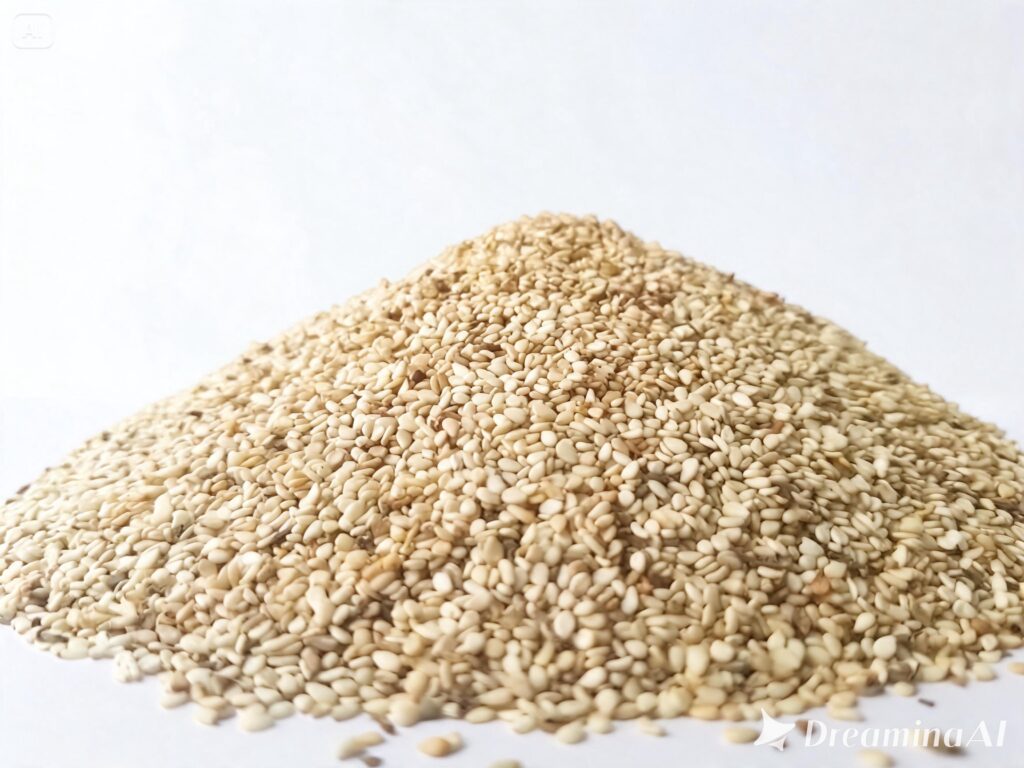
Natural sesame seeds are oil-rich seeds harvested from the sesame plant, scientifically known as Sesamum indicum. These seeds are recognized for their nutty flavor, natural oils, and nutritional composition.
Sesame seeds are widely cultivated in regions with suitable warm climates and are processed for multiple food and industrial purposes.
Main Characteristics of Sesame Seeds
- High oil content
- Nutrient-rich composition
- Long storage capability
- Wide industrial applications
- Strong export demand
- Excellent processing value
Their versatility makes sesame seeds highly valuable in modern international markets.
Main Categories of Sesame Seeds
White Sesame Seeds
White sesame seeds are among the most popular varieties used in food manufacturing industries worldwide.
Common Uses
- Bakery toppings
- Bread production
- Buns and bagels
- Crackers and biscuits
- Tahini manufacturing
- Roasted snack products
Their clean appearance and mild flavor make them ideal for commercial bakery applications.
Hulled Sesame Seeds
Hulled sesame seeds are processed to remove the outer shell, resulting in a refined product suitable for premium food production.
Common Uses
- Premium bakery products
- Tahini production
- Healthy snacks
- Gourmet foods
- Nutrition products
Hulled sesame seeds are highly demanded in international food processing sectors.
Black Sesame Seeds
Black sesame seeds are known for their rich aroma, bold taste, and traditional culinary significance.
Common Uses
- Asian cuisine
- Desserts and sweets
- Specialty dishes
- Health foods
- Traditional food recipes
Their growing popularity supports increasing global market demand.
Nutritional Value of Sesame Seeds
Sesame seeds are considered one of the most nutrient-dense oilseeds used in food industries.
Important Nutrients Found in Sesame Seeds
- Protein
- Healthy oils
- Dietary fiber
- Calcium
- Iron
- Magnesium
- Zinc
- Antioxidants
- Essential vitamins
These nutrients contribute to the growing use of sesame seeds in healthy diets and wellness-focused products.
Benefits of Sesame Seeds
Natural Source of Healthy Oils
Sesame seeds contain valuable natural oils widely used in edible oil manufacturing and healthy food production.
Supports Balanced Nutrition
Their nutrient profile makes sesame seeds suitable for modern healthy eating trends and plant-based diets.
Rich in Antioxidants
Natural antioxidant compounds help maintain freshness and improve product quality.
Important for Functional Foods
Sesame seeds are increasingly used in products designed for nutrition and wellness markets.
Industrial Applications of Sesame Seeds
Bakery Industry
The bakery sector remains one of the largest consumers of sesame seeds globally.
Bakery Products
- Bread
- Burger buns
- Bagels
- Crackers
- Breadsticks
- Pastries
Sesame seeds improve both visual appearance and flavor quality.
Tahini Production
Tahini is a major sesame-based product widely consumed in international markets.
Premium-quality sesame seeds are essential for smooth texture and rich flavor in tahini manufacturing.
Edible Oil Industry
Sesame oil remains highly valued because of its:
- Distinct aroma
- Stability
- Culinary versatility
Applications
- Cooking oils
- Sauces
- Food processing
- Traditional cuisines
Snack and Confectionery Manufacturing
Sesame seeds are commonly used in:
- Energy bars
- Traditional sweets
- Roasted snacks
- Healthy snack mixes
- Coated snack products
Their crunchy texture and natural taste increase product appeal.
Processing of Export-Quality Sesame Seeds
Professional processing is necessary to maintain quality and meet international export standards.
Cleaning Process
Cleaning removes:
- Stones
- Dust
- Foreign materials
- Damaged seeds
This improves food safety and product purity.
Sorting and Grading
Sorting helps achieve:
- Uniform size
- Consistent color
- Better appearance
- Improved export value
Moisture Management
Proper drying and moisture control help preserve:
- Shelf life
- Freshness
- Oil quality
- Product stability
Packaging and Transportation
Quality packaging protects sesame seeds during:
- Storage
- Export shipment
- International transportation
Professional packaging helps maintain product integrity throughout the supply chain.
Global Market Demand for Sesame Seeds
International demand for sesame seeds continues to increase due to the expansion of food manufacturing industries and growing health awareness.
Major Import Markets
Asia
Asian countries remain among the largest consumers of sesame seeds for food production and edible oil manufacturing.
Europe
European markets demand premium sesame seeds for bakery products and organic foods.
Middle East
Tahini and sesame-based foods continue to support strong regional demand.
North America
Healthy eating trends continue to increase sesame seed consumption across North American markets.
Importance of Sesame Seeds in International Trade
Sesame seeds remain highly valuable in agricultural trade because they:
- Have consistent global demand
- Support multiple industries
- Offer strong commercial opportunities
- Are suitable for bulk export
- Have long storage capability
- Fit healthy food market trends
Their wide industrial use strengthens their importance in international commerce.
Choosing a Reliable Sesame Seed Exporter
Working with a professional supplier is essential for successful international trade operations.
Important Supplier Qualities
- Consistent product quality
- Professional processing methods
- Reliable sourcing systems
- Export experience
- Timely shipment coordination
- Effective communication
Reliable exporters help buyers maintain stable supply chains and long-term business relationships.
Future Growth of the Sesame Seed Industry
The future of the sesame seed industry remains strong due to:
- Rising global health awareness
- Expansion of plant-based nutrition
- Growth in bakery industries
- Increasing demand for edible oils
- Expansion of international food trade
- Higher demand for natural ingredients
These trends continue to strengthen the global sesame seed market.
Conclusion
Natural sesame seeds continue to be one of the most important agricultural commodities in international food industries. Their nutritional value, versatile industrial applications, and strong global demand make them highly valuable for exporters, manufacturers, wholesalers, and food processors worldwide.
From bakery products and tahini manufacturing to edible oils and healthy foods, sesame seeds remain essential in modern food production systems.
With professional sourcing, proper handling, and quality-focused processing, sesame seeds continue to provide reliable opportunities in global agricultural trade.