
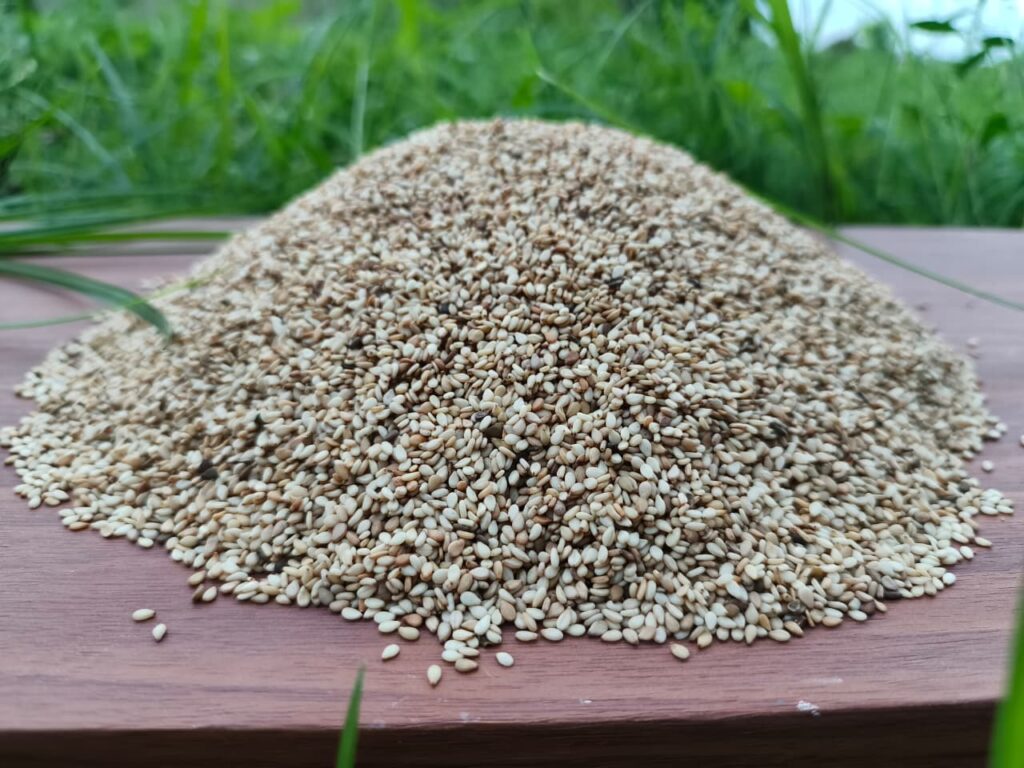
Nigeria’s sesame seed industry continues to gain international recognition as global food markets expand and demand for agricultural raw materials increases. The country remains one of the important suppliers supporting international food manufacturers, importers, and commercial distributors through organized sesame seed export operations and growing agricultural participation.
Scientifically known as Sesamum indicum, sesame seeds are widely used in bakery products, tahini manufacturing, edible oil production, snack foods, and food ingredient industries. Their broad commercial applications continue to strengthen international demand and increase the importance of dependable export suppliers.
Supporting Global Food Industries
Food manufacturers around the world continue to depend on stable agricultural supply systems to maintain production continuity and commercial operations.
Reliable sesame seed supply may help support:
- Continuous manufacturing activities
- Inventory organization
- Commercial distribution
- Long-term sourcing operations
Stable export systems remain highly valuable in international food production.
Nigeria’s Growing Agricultural Export Activities
Nigeria continues to expand its participation in international agricultural trade through increasing sesame seed export activities and organized supply coordination.
The country’s export growth supports:
- International market supply
- Agricultural trade development
- Commercial sourcing opportunities
- Global food industry operations
Its growing export presence continues to strengthen international market connections.
Importance of Professional Export Coordination
Efficient export coordination helps maintain smoother commercial operations and reliable shipment performance.
Professional export support may involve:
- Shipment scheduling
- Freight coordination
- Packaging preparation
- Delivery organization
Organized logistics help improve supply chain efficiency and operational stability.
Product Handling and Preparation
Careful preparation remains important in maintaining product condition throughout storage, transportation, and export activities.
Professional handling may include:
- Cleaning procedures
- Sorting coordination
- Moisture management
- Packaging organization
Structured processing supports export-quality commercial operations.
Responding to International Market Demand
Global demand for sesame seeds continues to rise as food industries increase production activities across different regions.
Flexible export systems may help businesses respond to:
- Changing order quantities
- Commercial scheduling needs
- Market demand fluctuations
- International logistics conditions
Adaptability supports more efficient trade operations.
Building Reliable International Partnerships
Long-term commercial relationships often depend on reliable communication and consistent operational performance.
Dependable export coordination may help strengthen:
- Buyer confidence
- Commercial cooperation
- Supply chain stability
- Long-term sourcing relationships
Strong partnerships remain important in international agricultural trade.
Conclusion
Nigeria’s sesame seed industry continues to play an important role in supporting global food supply through organized export operations, reliable agricultural production, and efficient commercial coordination. Professional handling, dependable logistics planning, and structured shipment preparation continue to strengthen the country’s position within international food industries.
As worldwide demand for bakery ingredients, edible oils, tahini products, and food manufacturing materials continues to expand, Nigeria remains an increasingly valuable source of premium sesame seeds for global agricultural trade.
Ziha Universal Company Nig Limited supplies premium sesame seeds from Nigeria with attention to organized export coordination, careful product handling, reliable shipment support, and quality-focused supply operations for international food industries and agricultural markets.